
Reisen in Peru kann abwechslungsreicher kaum sein. Auf Ihrer individuellen Rundreise durch das Land der Inka werden Sie neben den vielen geschichtsträchtigen Ruinenstätten auch die unterschiedlichsten Naturräume kennenlernen. Peru bietet beste Voraussetzungen für Ihre traumhafte Individualreise! Kontaktieren Sie uns, wir beraten Sie gerne und organisieren Ihnen Ihre Tour durch Peru.

Peru
Peru
Willkommen in Peru
Entdecken Sie Peru
Das ist Peru
Wir stellen Ihnen die beliebtesten Orte mit den wichtigsten Sehenswürdigkeiten im Land der Inka vor.

Informationen zur Reise nach Peru
Kontakt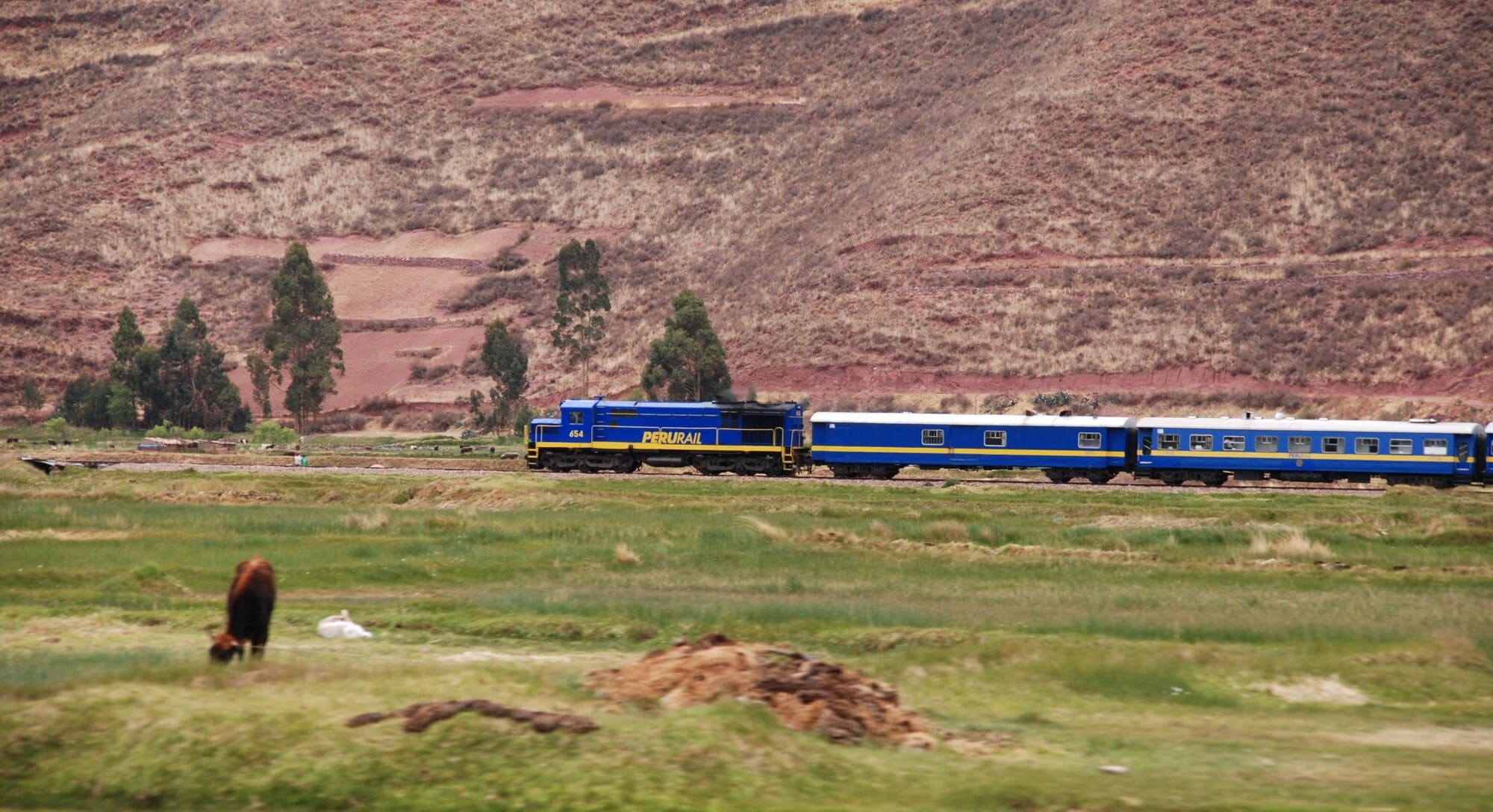
Peru im Überblick


Die Pazifikküste
Eine Reise durch Peru beginnt meist an der Pazifikküste, nämlich in der Hauptstadt Lima, wo sich der größte internationale Flughafen des Landes befindet. Lima liegt direkt am Meer.
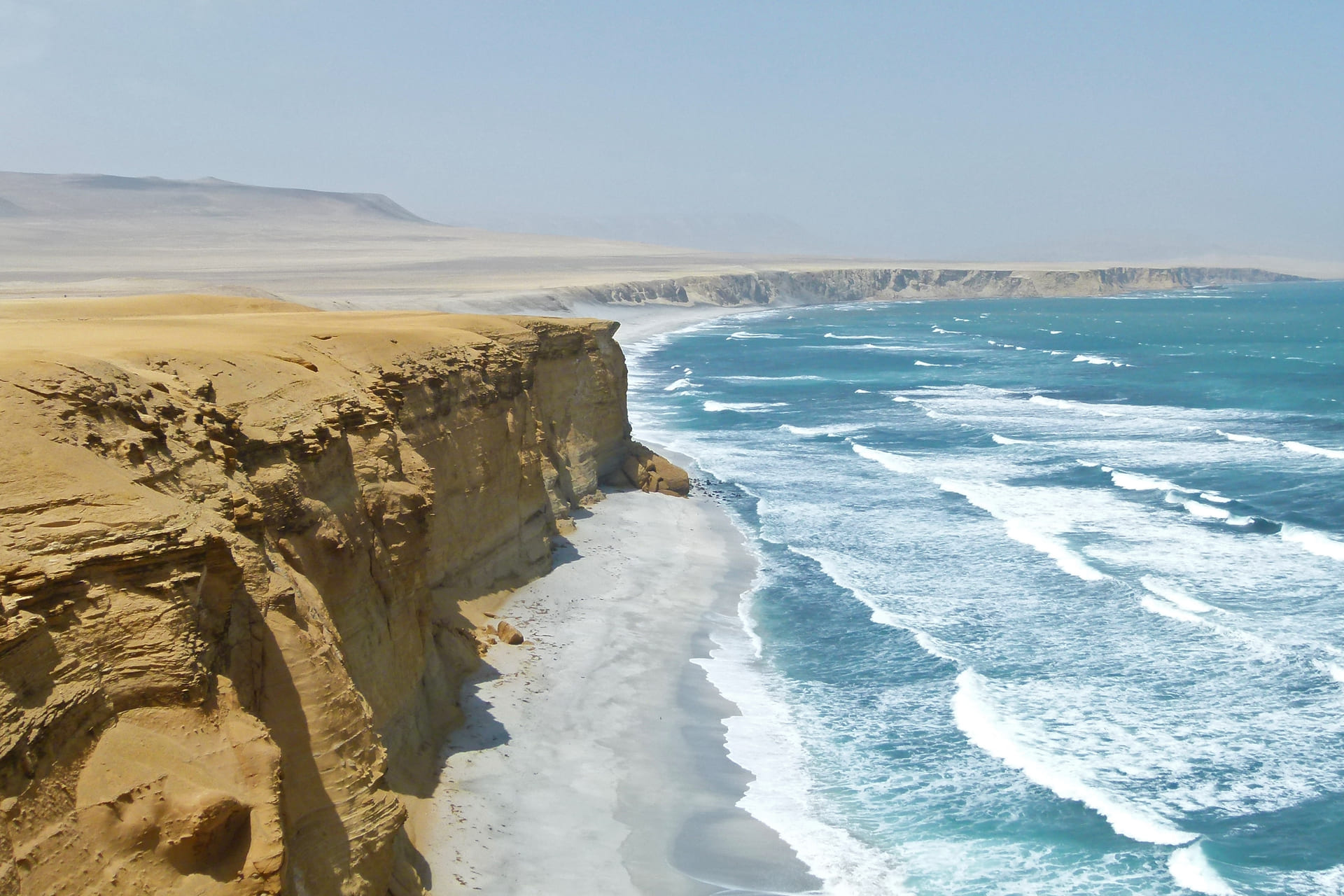
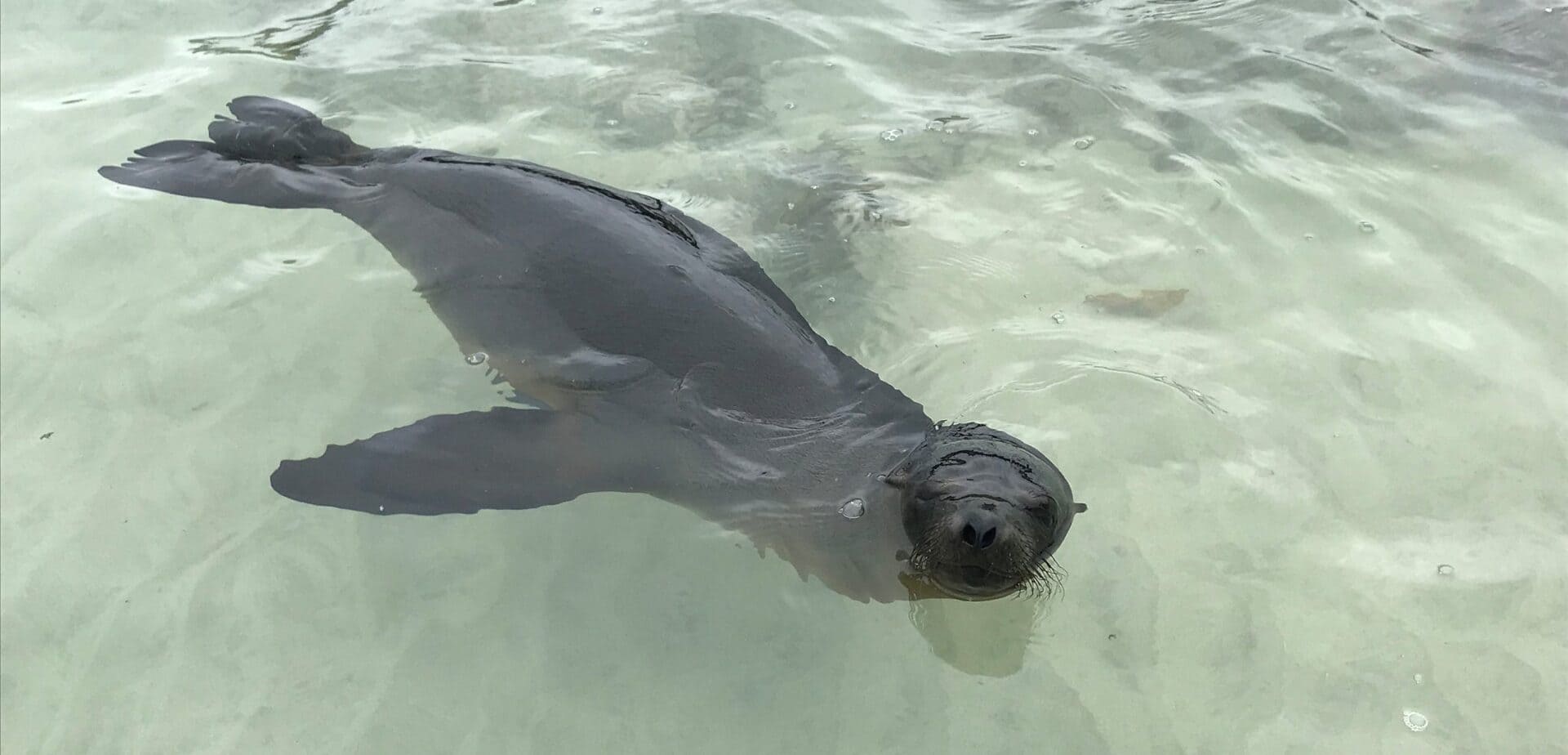
Auf einer Länge von insgesamt 2.600 km brechen die langen hohen Wellen des Pazifischen Ozeans vor der peruanischen Küste. Trotz der enormen Küstenlänge liegen hier nur wenig große und bedeutende Städte. Quasi alles konzentriert sich auf und in der Metropole Lima.
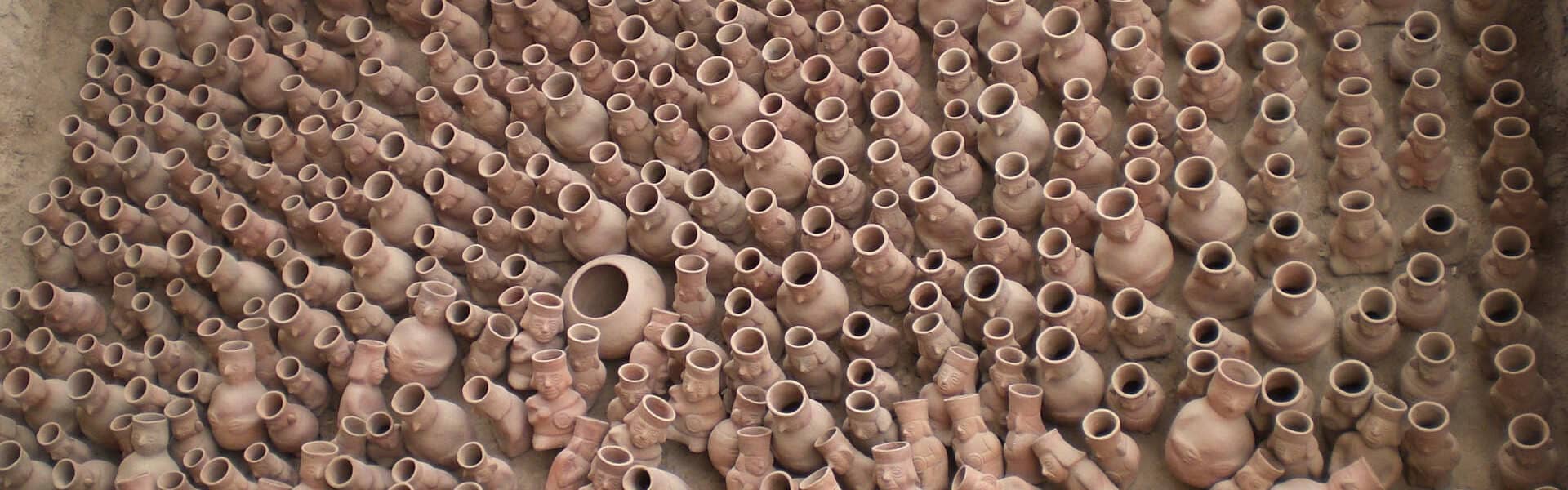
Jedoch ist während einer Rundreise durch Peru ein Abstecher in den Norden zu den Städten Chiclayo und Trujillo, beides ebenfalls Küstenstädte, sehr empfehlenswert. Koloniales Ambiente paart sich hier mit Jahrtausende alter Geschichte.
Zur Pazifikküste gerechnet wird ein 10-80 km breiter Wüstenstreifen, der sich entlang der gesamten Küste erstreckt. Dieser wird nur durch fruchtbare oasenartige Flusstäler durchbrochen. Für Ihre Reise durch Peru sind folgende interessante Orte entlang der Küste einen Besuch wert: zum einen Pisco, eine kleine Stadt südlich von Lima. Hier klingt aber eher der Name wegen des sehr bekannten und durchaus leckeren Nationalgetränkes Perus, dem Pisco, in den Ohren. Die Halbinsel Paracas, die Dünen von Ica und die rätselhaften Linien von Nasca sind höchst sehenswerte Reiseziele an der Pazifikküste Perus. Die Wüste trifft hier direkt aufs Meer, karge unnahbare Landschaft dominiert, aber auch auf eine sehr bizarre, eindrückliche Weise!
Das Andenhochland
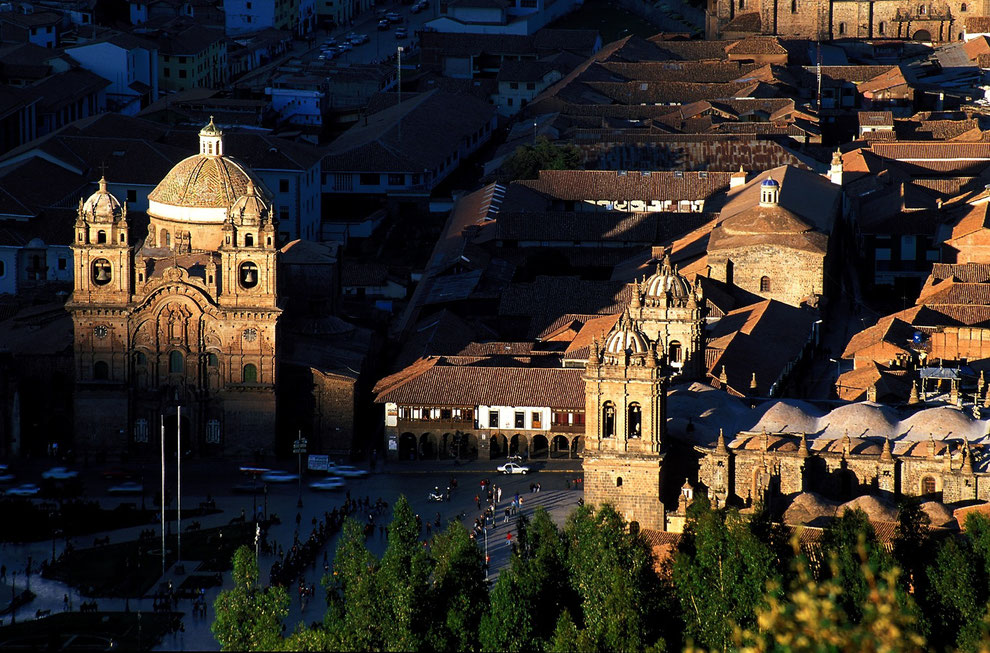
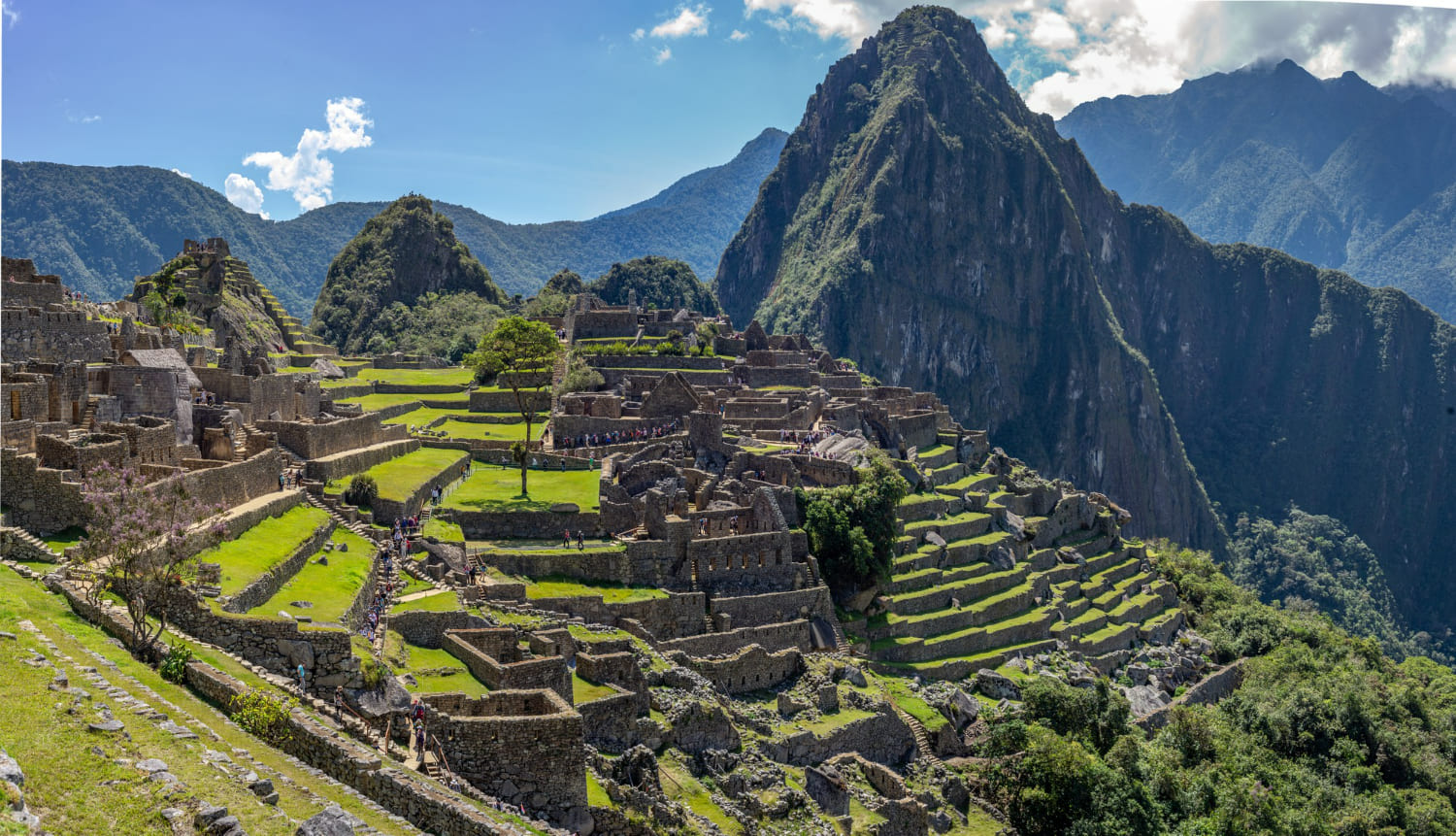
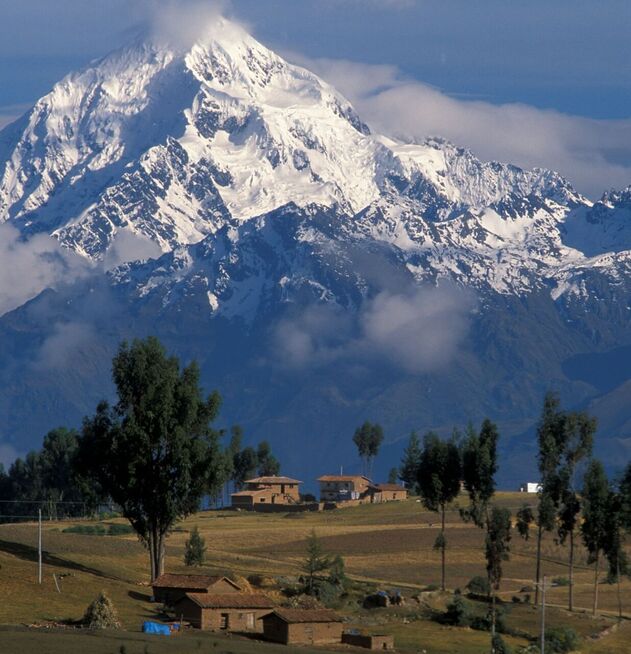
Zweifellos werden Sie auf Ihrer Reise durch Peru einen großen Teil im Andenhochland verbringen. Hier locken Namen wie Cusco, Titicacasee, Colca Canyon, Arequipa und natürlich das sagenumwobene Machu Picchu.
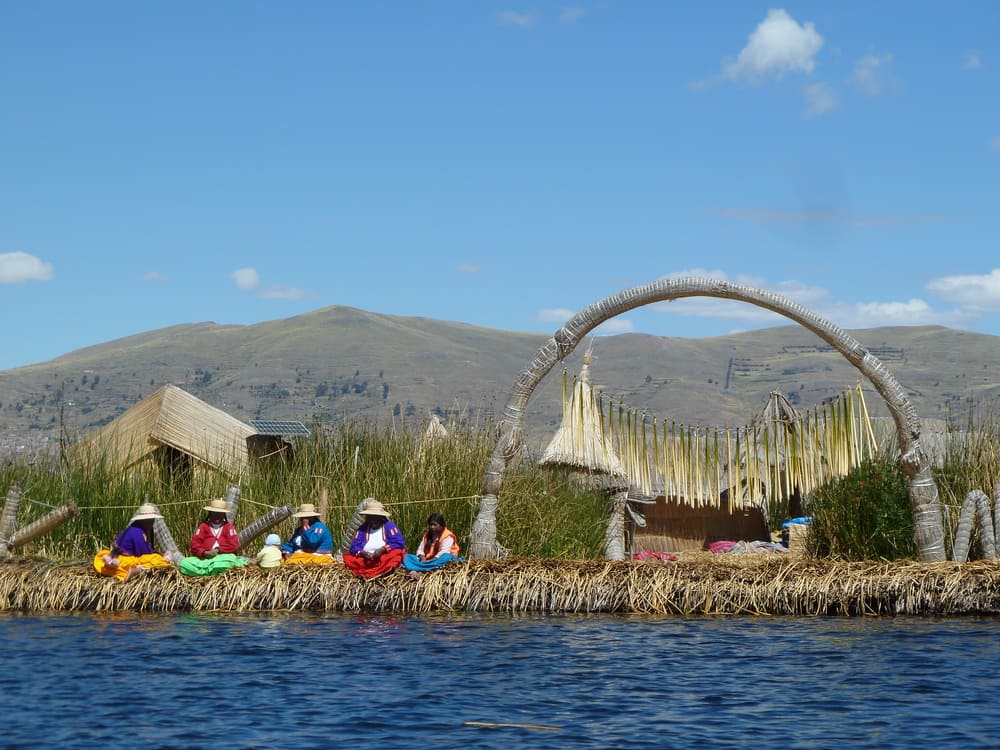
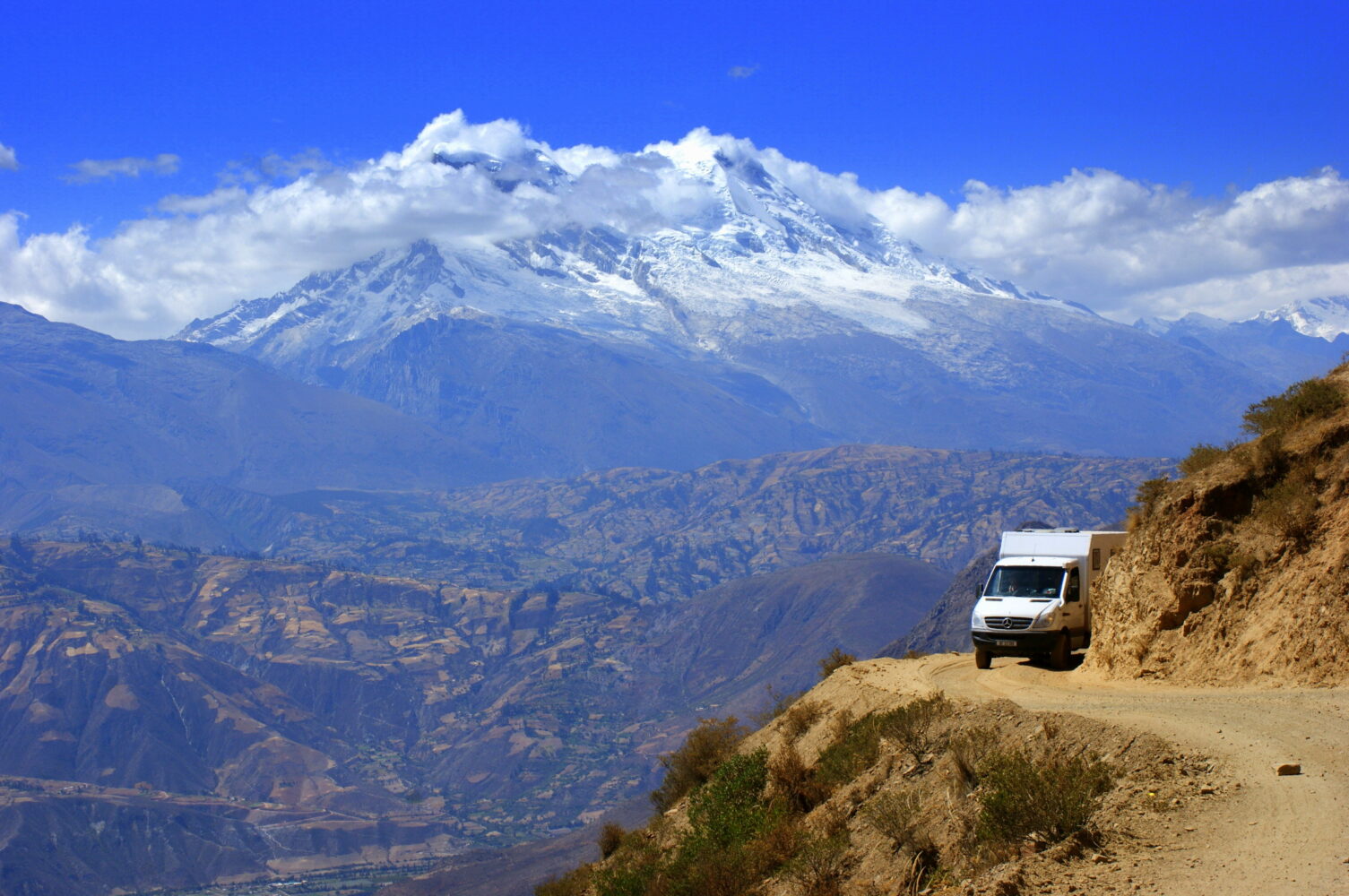
Die Anden trennen in Peru den schmalen Küstenstreifen vom amazonischen Regenwald. Im Süden ist das Hochland 300 km breit, zur ecuadorianischen Grenze im Norden erstreckt es sich auf nur 120 km Breite. An vielen Stellen erreicht es Höhen von über 6.000 Metern. Drei Gebirgsketten, die so genannten Kordilleren (Cordilleras), schließen ausgedehnte Hochebenen und tiefe Täler ein. Zwischen der West- und Ostkordillere erstreckt sich auf einer Höhe von 3.500m das Hochlandbecken Altiplano. Hier befindet sich der bekannte Titicacasee.
Die Cordillera Blanca in den Westkordilleren und die Cordillera Huayhuash sind die höchsten Regionen der peruanischen Anden. Der höchste Gipfel des Landes, der Huascarán, ragt in der Cordillera Blanca 6.768m über dem Meeresspiegel hinauf.
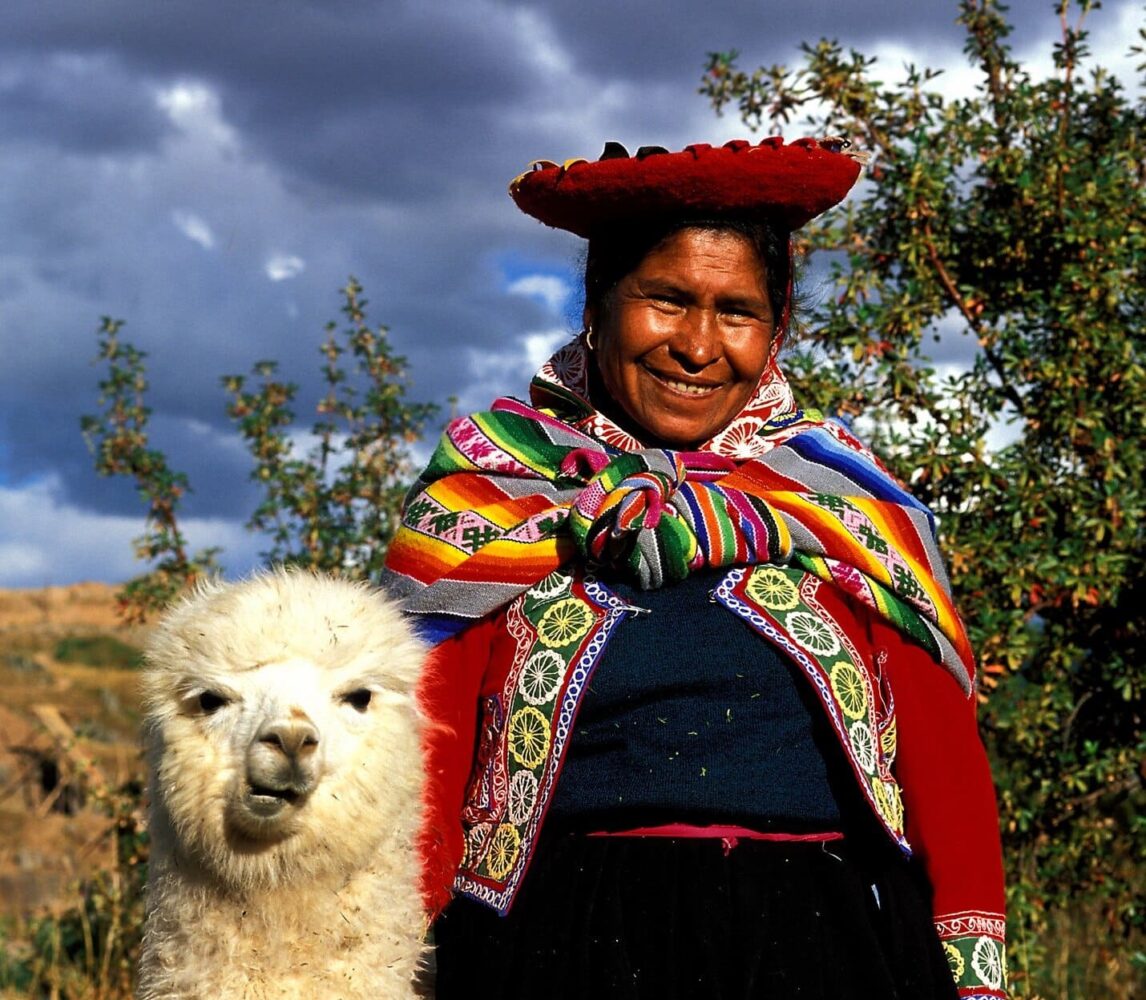
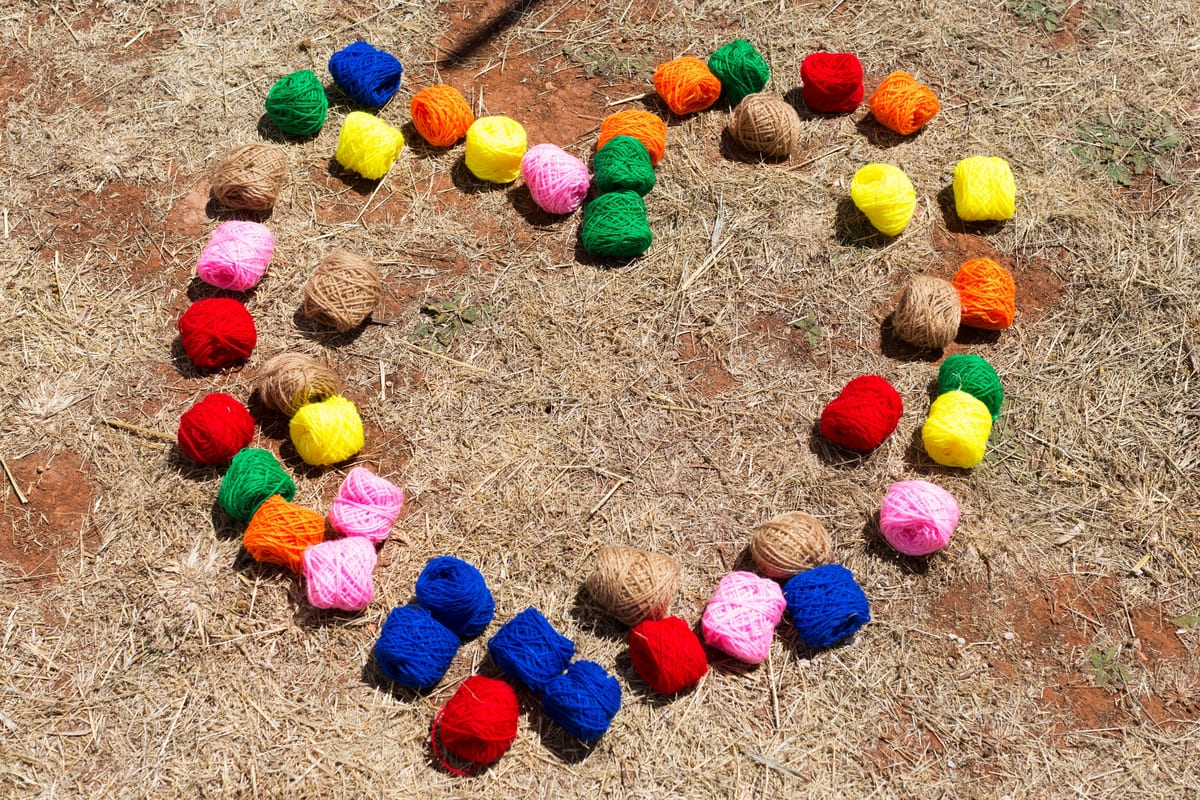
Die faszinierende Bergwelt begeistert nicht nur Bergsteiger: die unbeschreiblichen Licht- und Schattenspiele an Berghängen, entlang der Täler werden Sie beeindrucken. Die eher gedeckten Farben der Landschaft treffen auf Kunterbuntes auf den Indiomärkten. Die traditionsbewusste einheimische Bevölkerung kleidet sich in althergebrachten farbenfrohen Trachten. In den Hochtälern wird bis zu über 4.000m Höhe Ackerbau betrieben. Unvorstellbar in unseren Breitengraden.
Der majestätische Flug des Kondors ist allein schon eine Reise wert. Die allgegenwärtigen Lamas und Alpakas sind ebenfalls beliebte Fotomotive. Und dann die Geschichte: Auf Schritt und Tritt scheint sie – besonders hier im Andenhochland – wieder lebendig. Städte wie Cusco und Arequipa bestechen durch ihren Charme.
Außerdem bieten sich Bergsteigen und Trekking an! Die Cordillera Blanca ist ein El Dorado für Bergsteiger, aber auch der Misti und der Nevado Chachani bei Arequipa haben einen ganz besonderen Reiz und dazu einen geringen Schwierigkeitsgrad.
Beim Thema Trekking steht der weltbekannte Inka Trail nach Machu Picchu an erster Stelle, es gibt aber auch andere wunderschöne und weniger frequentierte Touren, wie z.B. das Salkantay-Trekking und der Ausangate Trek.

Das Amazonas Tiefland
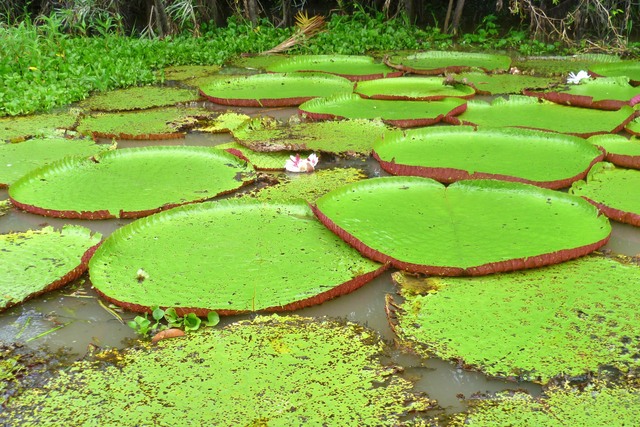
Eine Tour in den Regenwald Perus kann den krassen Gegensatz der unterschiedlichen Naturräume des Landes nicht deutlicher machen. Tauchen Sie nach Wüste und kargem Hochland nun in sattes Grün ein! Es wird feucht-tropisch und sehr warm. Die Artenvielfalt ist enorm. Die speziellen Bedingungen dieser Klimazone haben in Peru eine Flora und Fauna hervorgebracht, die auf der Welt ihresgleichen sucht. Das gesamte Gebiet ist dicht bewachsen und feucht – und mit einer Bevölkerungsdichte von zwei Einwohnern pro km² sehr dünn besiedelt.
Das Amazonas Tiefland nimmt 60% der peruanischen Landfläche ein. Der Regenwald ist somit die größte und gleichzeitig unbekannteste Region Perus. Er besteht zu großen Teilen aus überfluteten Gebieten und zahlreichen Flüssen, die den majestätischen Amazonas speisen. Das Quellgebiet des Amazonas liegt übrigens in Peru – seine wichtigsten Quellflüsse sind der Río Marañon und der Río Ucayali.
Die bekanntesten Orte des peruanischen Regenwaldes sind Iquitos und Puerto Maldonado. Hier starten auch die allermeisten Touren und Kreuzfahrten zu einem eindrucksvolles einmaliges Dschungelerlebnis.

